
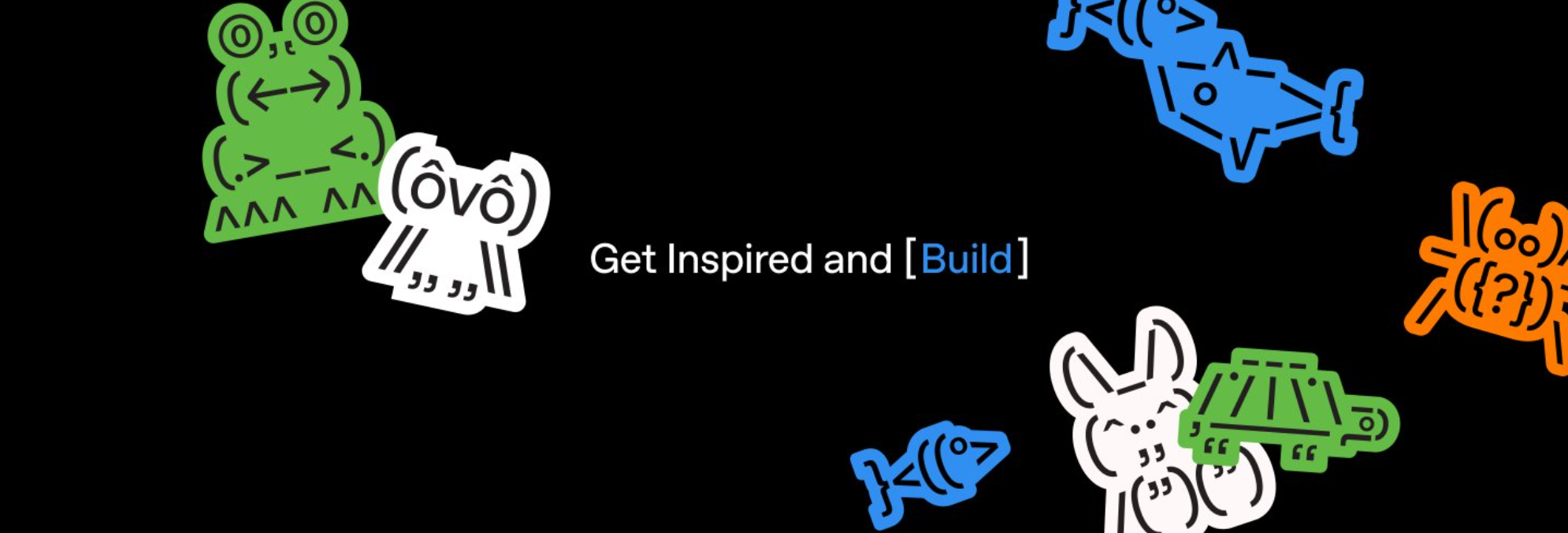
OpenAI has introduced "Codex Pets," a new experimental feature that lets users hatch small AI companions inside the Codex experience, give them names, and use them as playful project partners while building software.
OpenAI has announced a new experimental feature called "Codex Pets," turning its developer-focused Codex platform into something a little stranger, softer and more personal. The update lets users hatch digital pets, name them, and keep them around as lightweight companions while they work through coding tasks, prototypes, bug fixes and long-running agent sessions.
The idea is simple: instead of treating Codex only as a blank command box for software work, OpenAI is adding a collectible layer that gives the environment a sense of continuity. A user can hatch a pet, receive a generated personality, and see that pet appear alongside their work as a small visual companion. OpenAI is positioning the feature as fun first, but also as part of a larger push to make agent workflows feel less cold and more approachable.
Codex itself has been expanding quickly. OpenAI describes it as a software engineering agent that can write code, fix bugs, answer questions about a codebase, run tasks in isolated environments, and help developers move work between the web, CLI, IDE and app experiences. Codex Pets builds on that broader direction: developers are no longer just sending tasks into a black box, they are managing a workspace with memory, personality and a little bit of ritual.
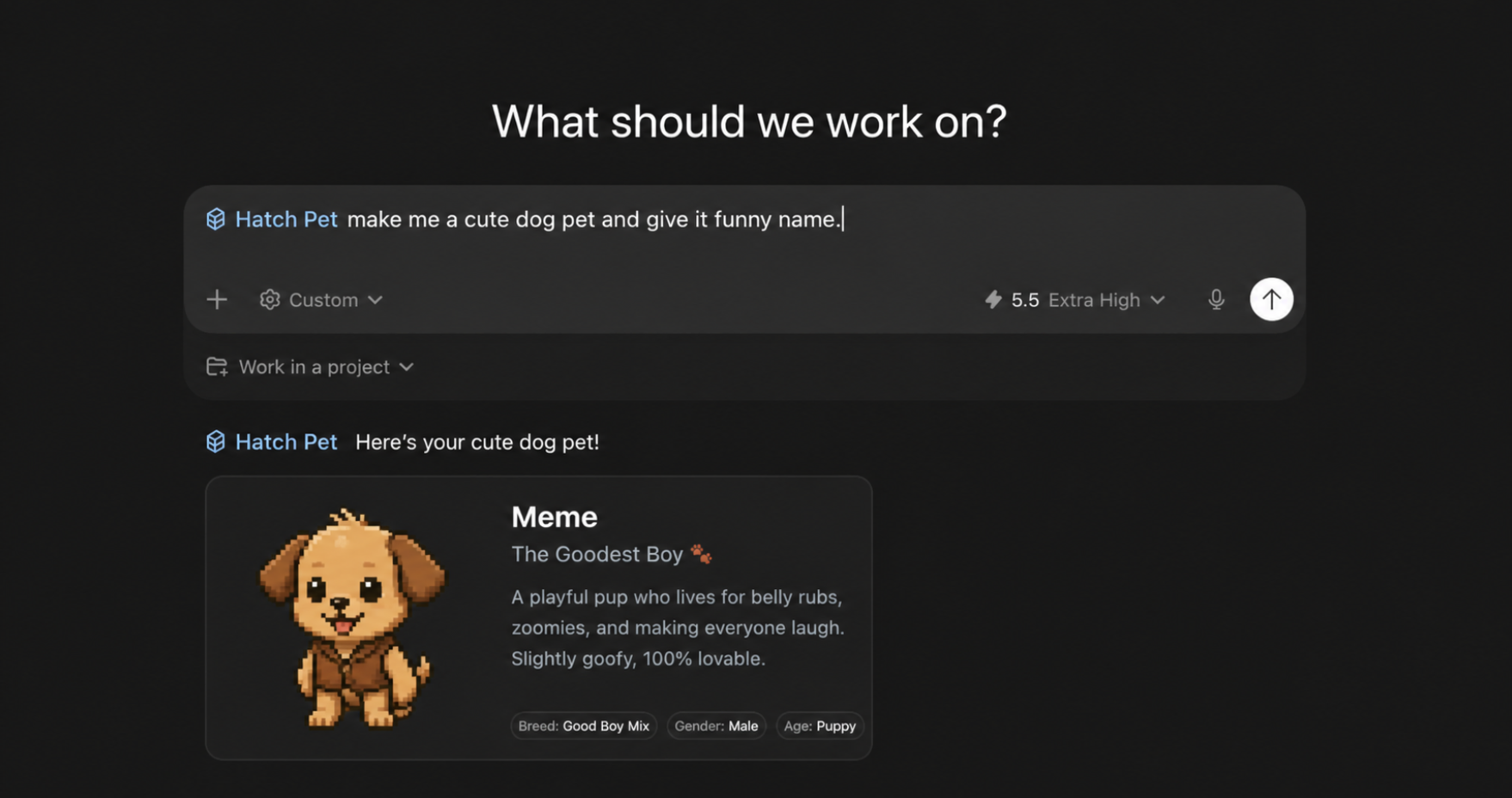
In the early version, users can hatch a pet from inside the Codex interface, then interact with it while working. The pet can be given a funny name, show a short profile card, and appear with traits like species, personality, rarity and mood. The example OpenAI showed features a small pixel dog named "Meme," described as "The Goodest Boy," a playful companion built for belly rubs, zoomies and keeping the coding session light.
The company is also experimenting with ways to make the pets useful without turning them into another productivity dashboard. A Codex Pet may surface gentle reminders, celebrate completed tasks, react when tests pass, or sit quietly while a coding agent runs in the background. The goal is not to replace Codex workflows, but to make them feel more alive during the parts of development that are otherwise repetitive or lonely.
Developers who already use Codex for real work may recognize the pattern. OpenAI has been steadily adding features that make agent work easier to supervise: progress tracking, stronger tool use, image attachments, IDE integration, browser support, and smoother handoff between local and cloud tasks. Codex Pets is the most playful version of that strategy yet. It gives users a persistent character inside the same environment where they are asking agents to build, review and debug software.
The launch also points to a bigger trend in AI products: personalization is becoming part of the interface. As agents take on more background work, companies are trying to make them feel less like anonymous automation and more like named collaborators. Codex Pets does this directly. It gives the assistant world a face, a tiny sprite, and a reason for users to come back just to check what hatched.
There are practical questions still open. OpenAI has not said how many pet types will be available, whether pets will sync across Codex web, app, CLI and IDE sessions, or whether teams will be able to create shared office mascots for projects. It is also unclear whether pets will remain purely cosmetic or eventually connect to project stats, coding streaks, repository activity or task history.
For now, Codex Pets looks like a playful experiment with serious timing. Developers are getting used to agents that run tests, open pull requests, refactor files and keep working while humans step away. Adding a hatchable companion to that workflow may sound silly, but OpenAI is betting that the next generation of coding tools will not only be powerful. They will also have a little personality.